2026
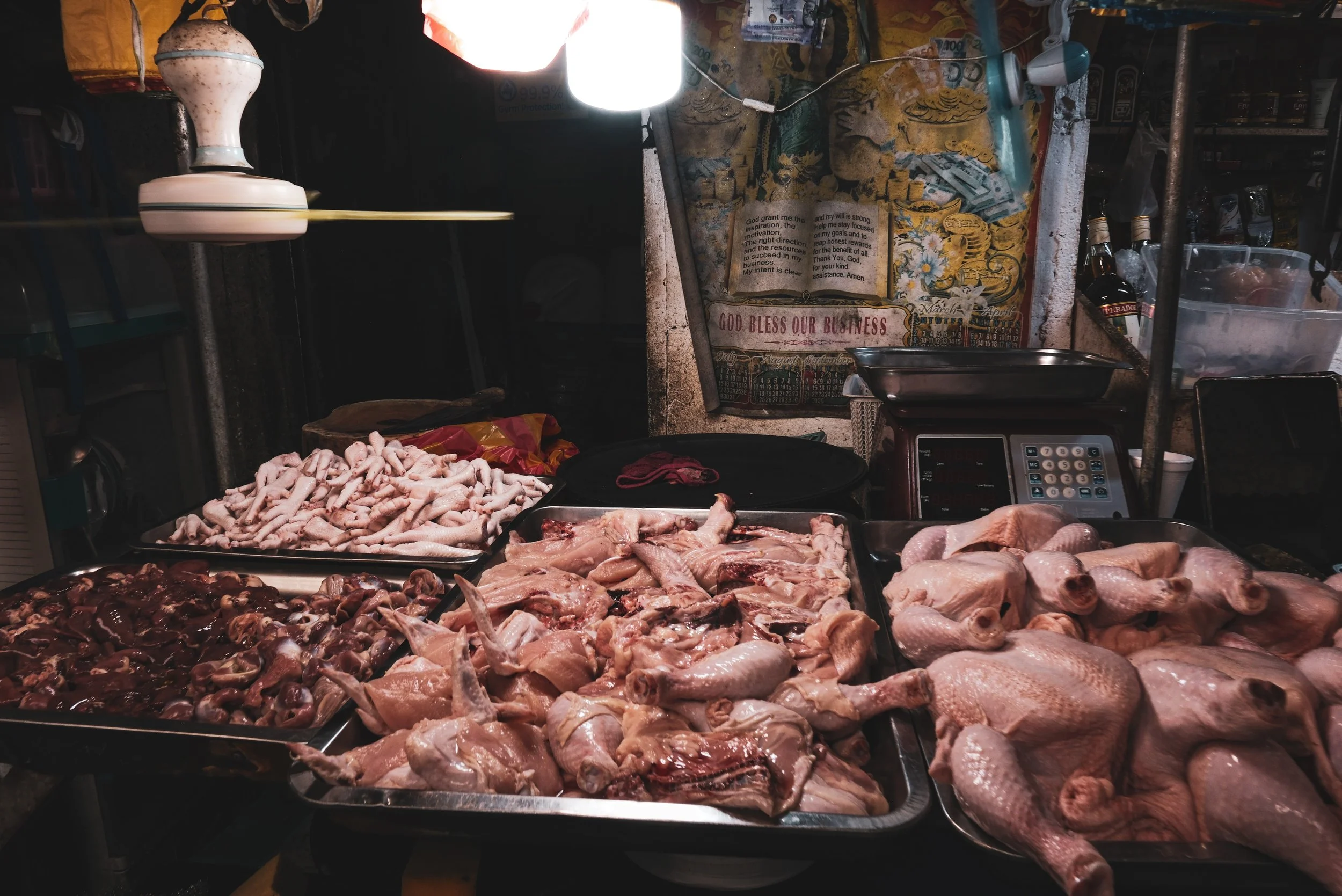
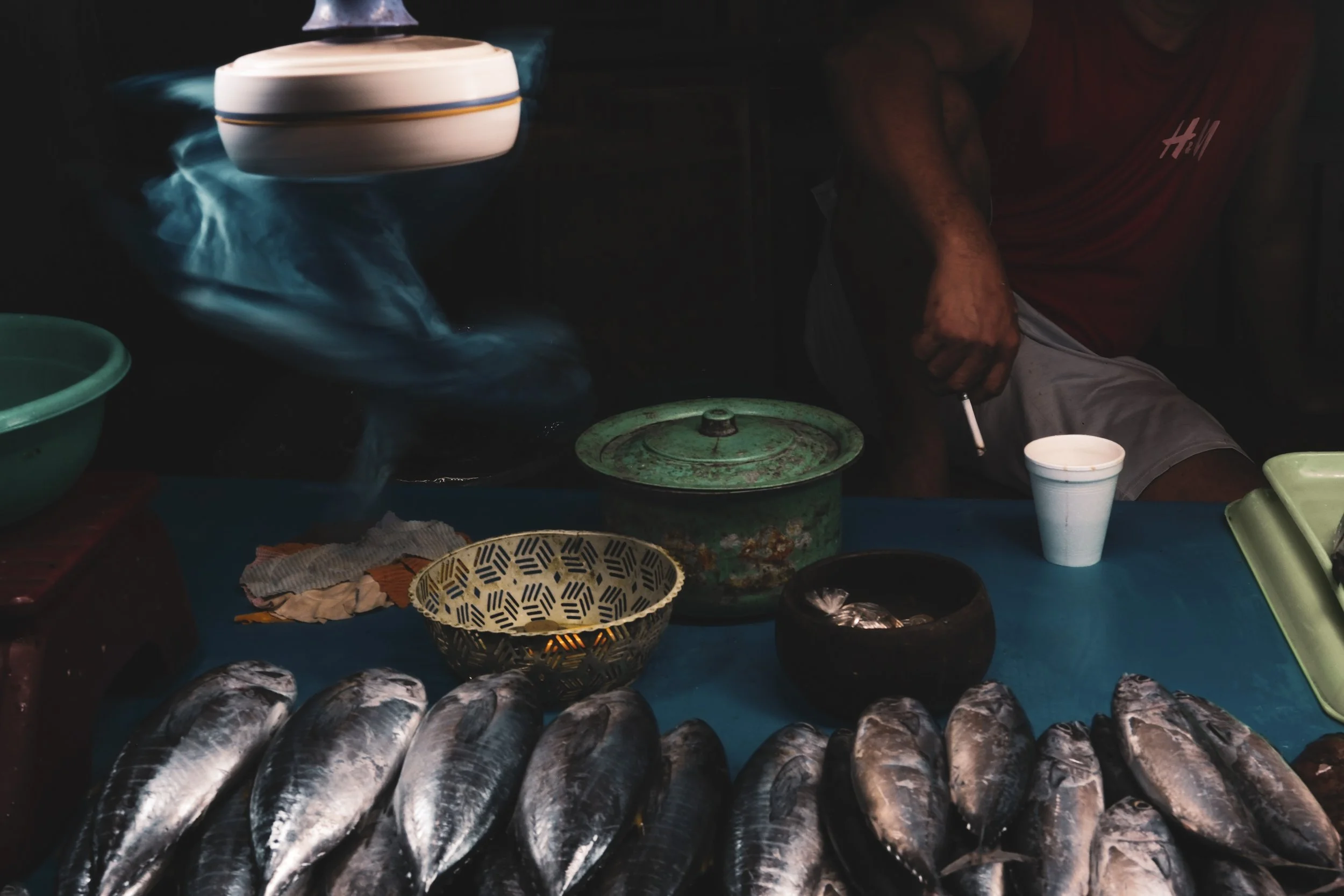
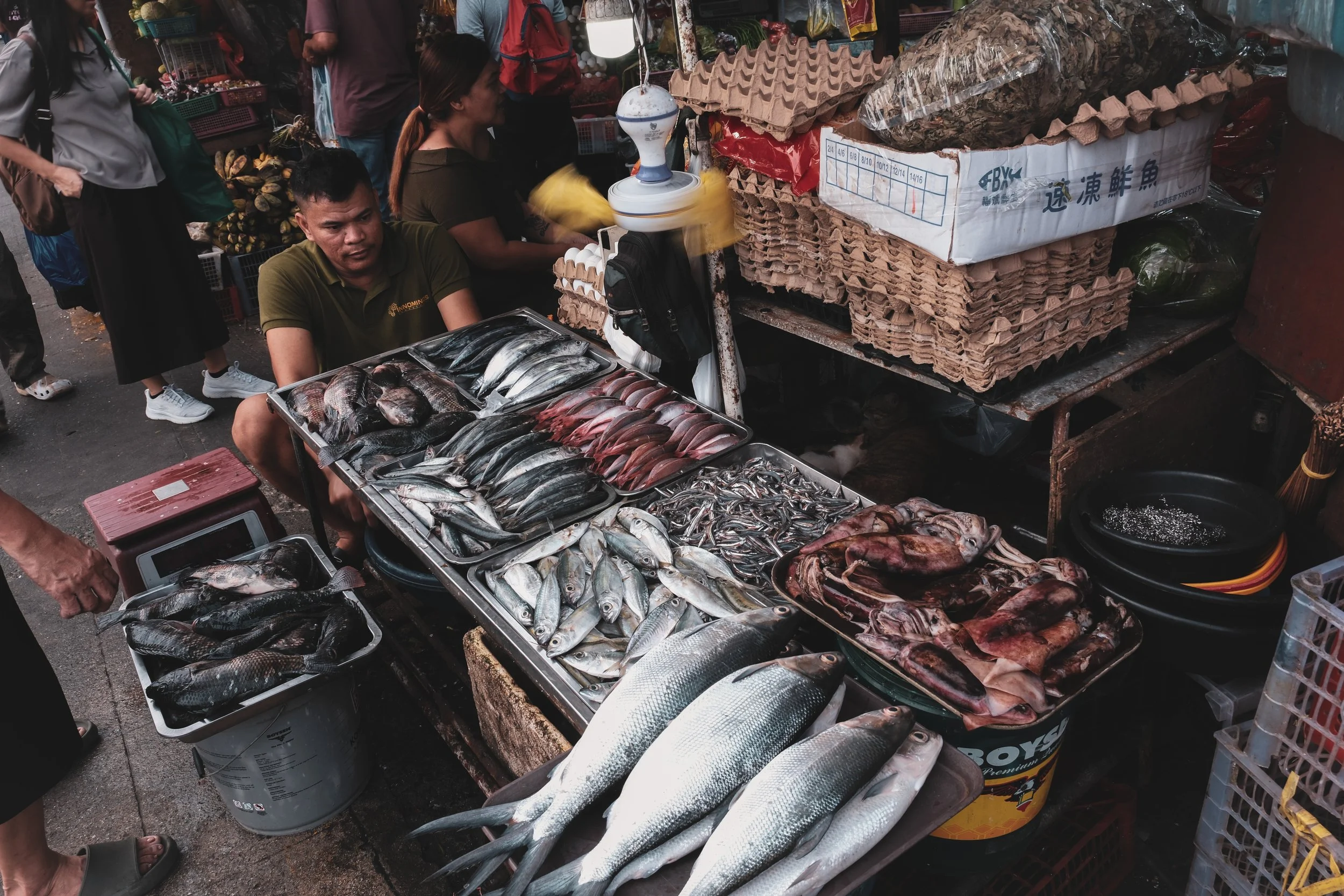
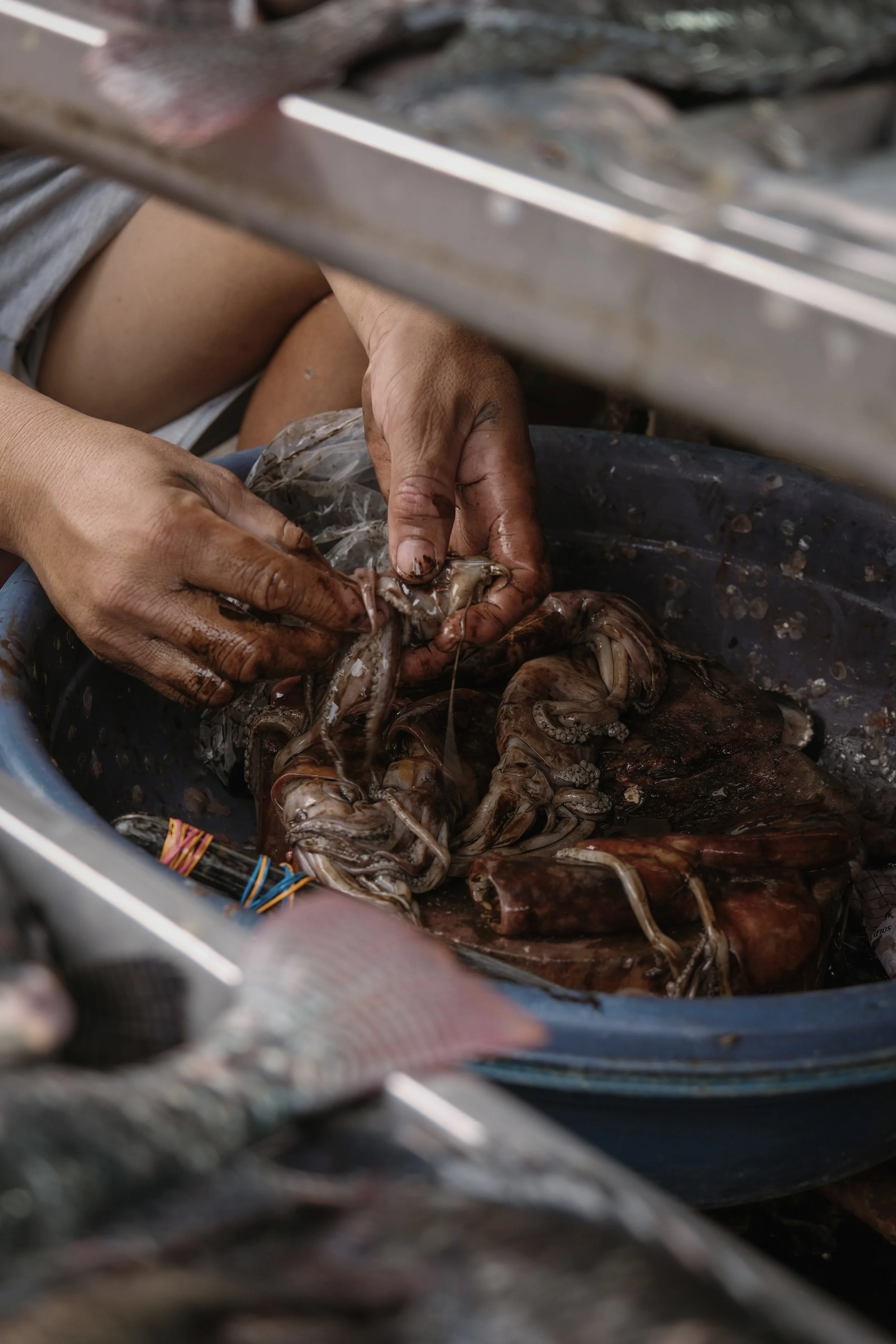
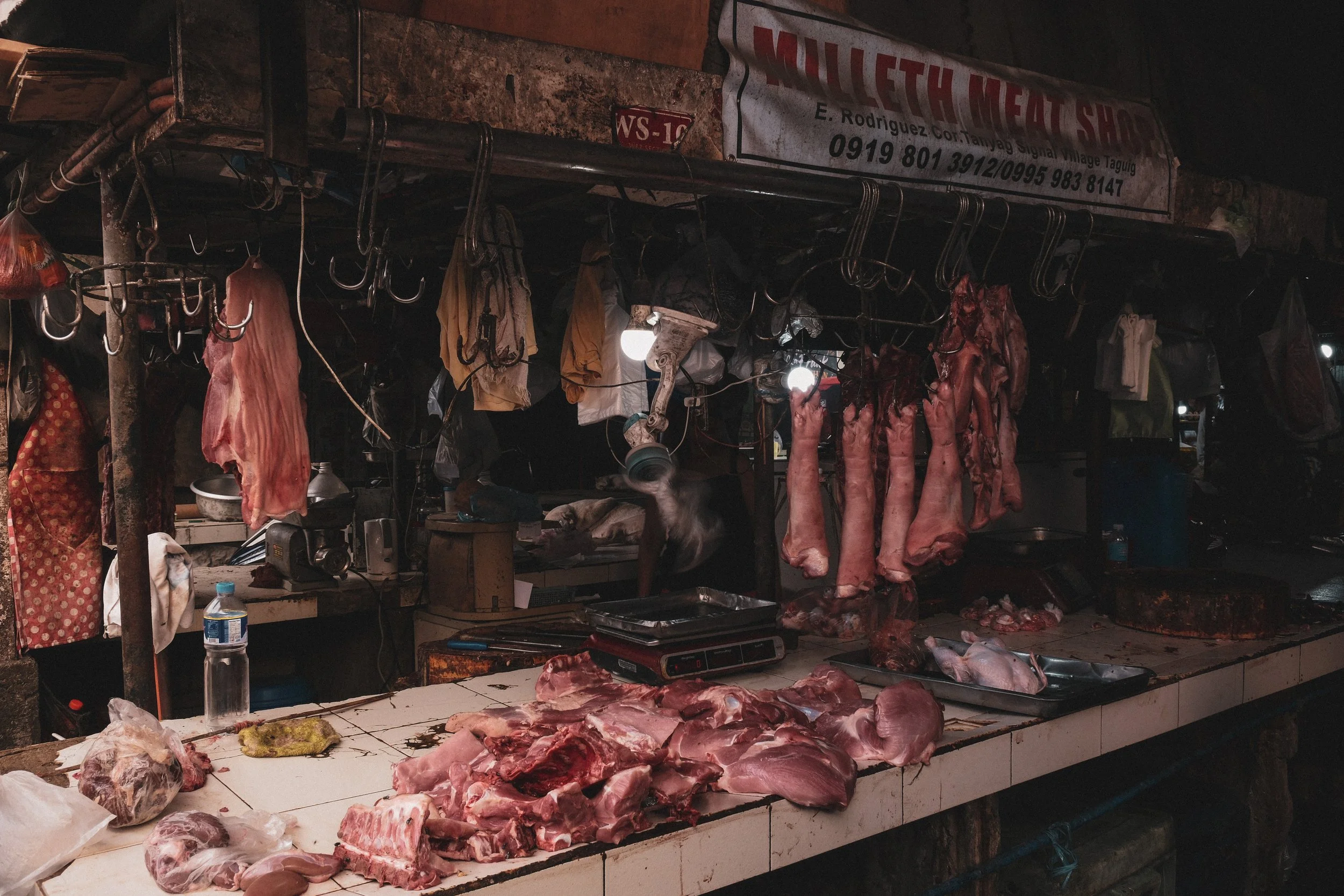
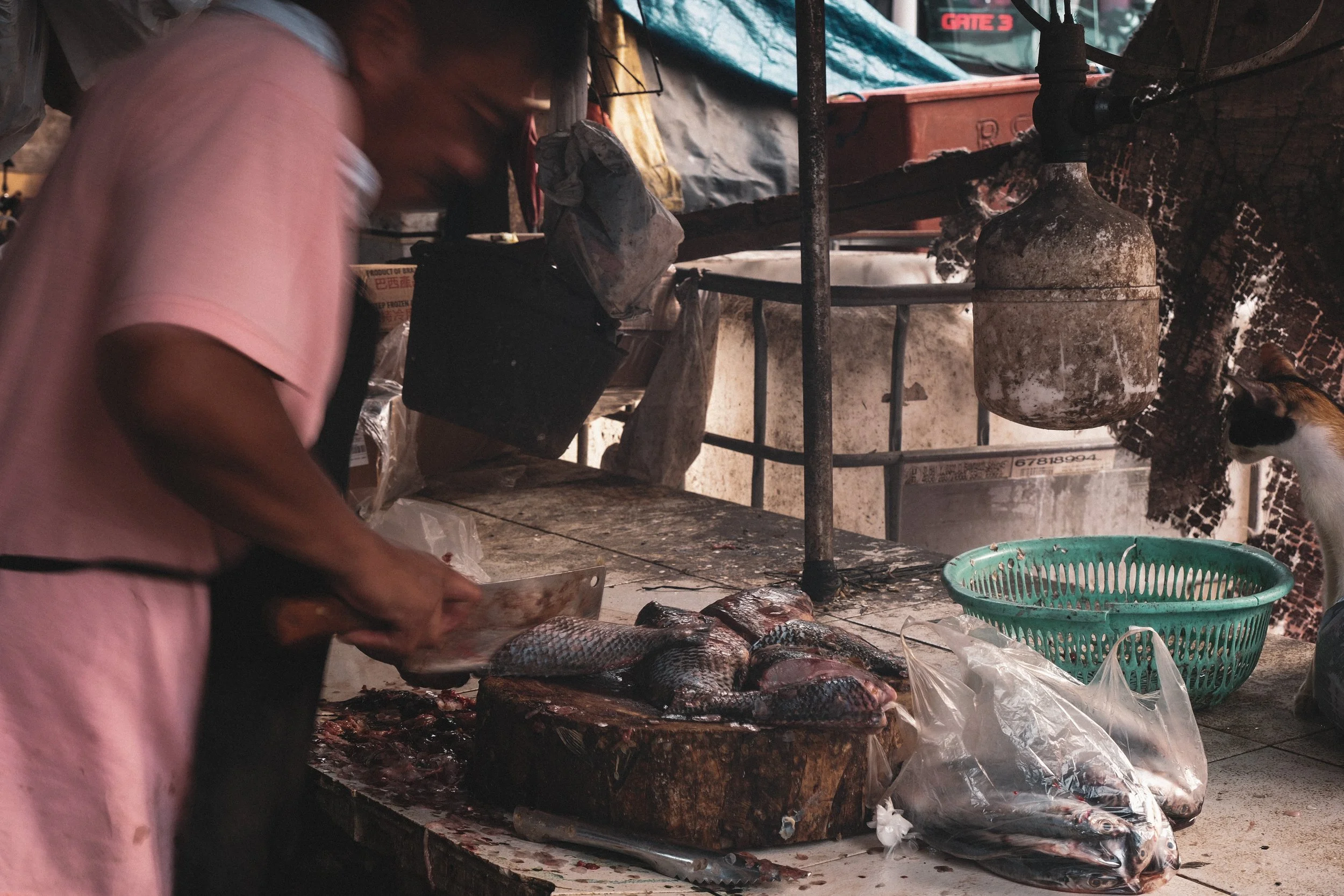
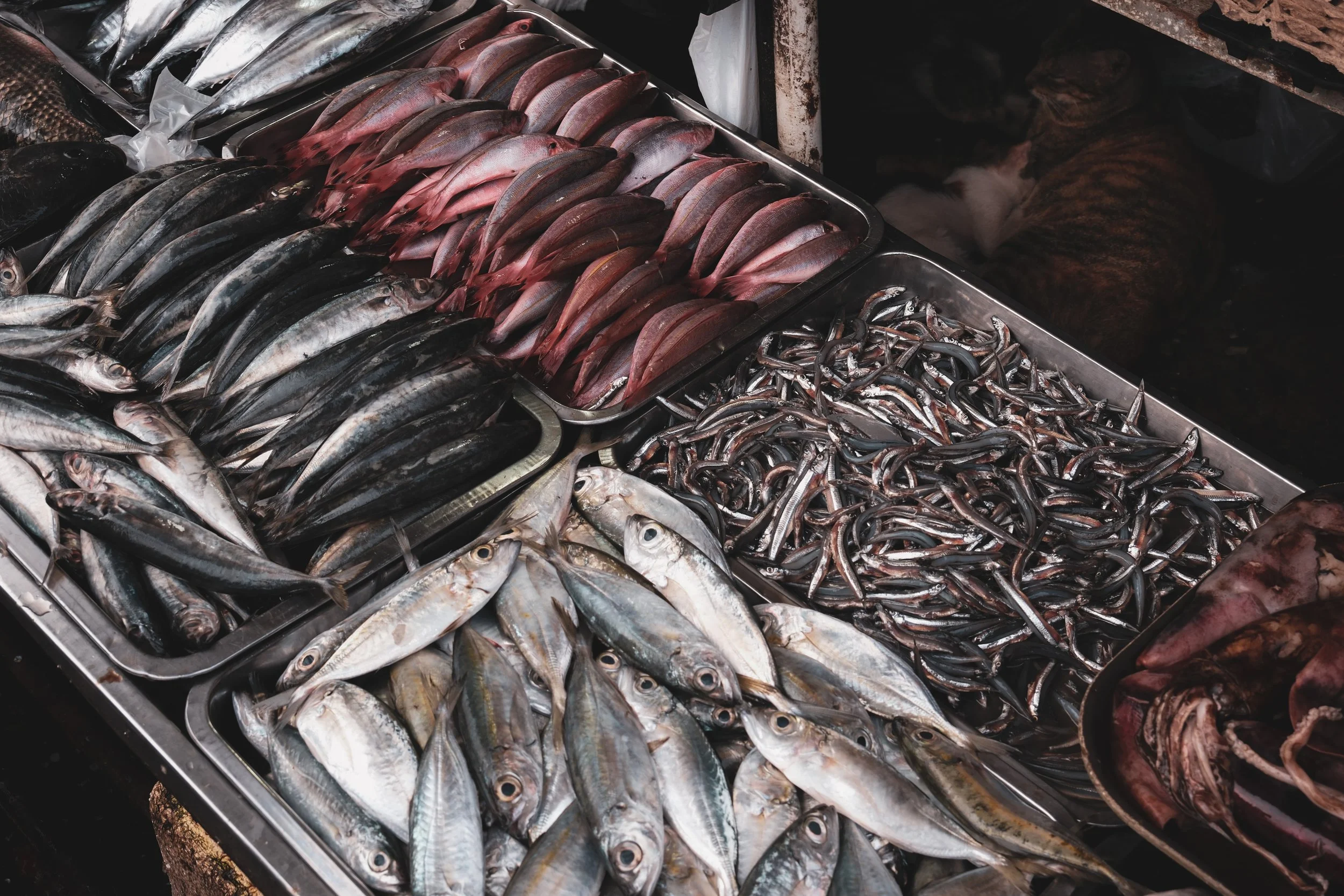
The Filipino market, or “palengke”, is a backbone of a social and economic infrastructure; a hub of everyday relationships. Customers often return to the same vendors, called a “suki”. The concept of the “suki” operates off of a loyalty economy, a quality of the palengke that the commercial supermarket cannot replicate. Its narrow aisles, overlapping smells and sounds attest to the fact that it is organized by proximity, spontaneity, and vernacular order. They are central to local food systems, supporting Filipino fishermen, farmers, and market vendors.

In recent decades, palengkes have been positioned against supermarkets as a more “outdated” or “traditional” option. This binary is never only aesthetic, but classed and often racialized in its colonial residue. The palengke is coded as chaotic and unsanitary, the supermarket as modern and systematic. This hierarchy reproduces colonial logics that equate progress to Western, corporate spaces and choreographies. This persists, despite the fact that many upper-class Filipinos still rely on palengke vendors, whose goods are often fresher and cheaper than supermarket equivalents. This suggests that to frame the traditional as less is a system of belief that operates on symbols rather than material functions. It is a site of tension over whose spatial and economic practices count as progressive and legitimate—and whose labor becomes disposable in the process.